morgan lewis
About morgan lewis
Drone inspection services are rapidly transforming how industries, businesses, and infrastructure managers monitor and maintain their assets. “Drone Inspection Services for Industrial, Commercial, and Infrastructure Needs” highlights the growing reliance on unmanned aerial vehicles (UAVs) to perform inspections that are safer, faster, and more cost-effective than traditional methods. In industrial settings, drones are extensively used to inspect facilities such as oil and gas plants, power stations, refineries, and manufacturing units. These inspections often involve checking equipment in hard-to-reach or hazardous areas, such as high towers, chimneys, or pipelines. Traditionally, such inspections required scaffolding, cranes, or rope access, which were time-consuming, expensive, and posed safety risks. Drones equipped with high-resolution cameras, thermal imaging sensors, and LiDAR systems can quickly capture detailed visuals and data without putting human workers at risk, enabling companies to identify issues like corrosion, leaks, or structural damage early and prevent costly downtime.
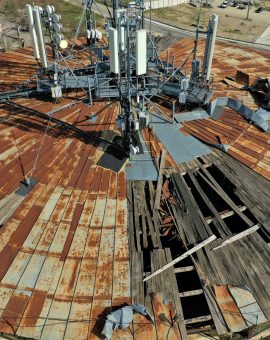
In the commercial sector, drone inspections are increasingly used for building maintenance, real estate, and property management. Roof inspections, facade evaluations, and structural assessments can now be completed in a fraction of the time using drones, offering precise data while reducing labor costs. For example, commercial building managers can use drones to monitor roof conditions after storms or assess the integrity of large commercial complexes without interrupting daily operations. Real estate professionals also leverage drone inspection services to create aerial imagery and 3D models of properties, providing clients with a comprehensive and engaging view that enhances marketing and decision-making.
Infrastructure management is another area where drone inspection services have become invaluable. Bridges, highways, railways, and utility networks require regular monitoring to ensure safety and longevity. Drones provide a fast and reliable solution by capturing high-resolution images and thermal or multispectral data to detect cracks, corrosion, or other structural vulnerabilities. Urban planners and municipal authorities use drone inspections to assess roads, railways, and public facilities without disrupting traffic or endangering personnel. Furthermore, the integration of drones with artificial intelligence and data analytics enables automatic detection of anomalies and predictive maintenance, allowing infrastructure managers to plan repairs proactively rather than reactively.
Beyond data collection, Drone Inspections Services also improve operational efficiency and reduce costs. A task that would take days or even weeks using traditional inspection methods can now be completed in hours, minimizing service interruptions and increasing productivity. Additionally, drones provide historical records through images and video, creating a digital archive that can be referenced for trend analysis and long-term maintenance planning. Regulatory compliance is another benefit, as drone inspections can document asset conditions to meet safety and environmental standards.
In conclusion, drone inspection services are revolutionizing industrial, commercial, and infrastructure maintenance by providing safer, faster, and more accurate methods of assessment. From monitoring pipelines and industrial equipment to inspecting buildings and critical infrastructure, drones offer unmatched flexibility and efficiency. As drone technology continues to advance, including improved sensors, autonomous flight capabilities, and AI-driven analytics, these services will become an essential tool for organizations seeking to enhance operational efficiency, reduce costs, and maintain high safety standards. The adoption of drone inspections represents a major leap forward in asset management and infrastructure care.
No listing found.